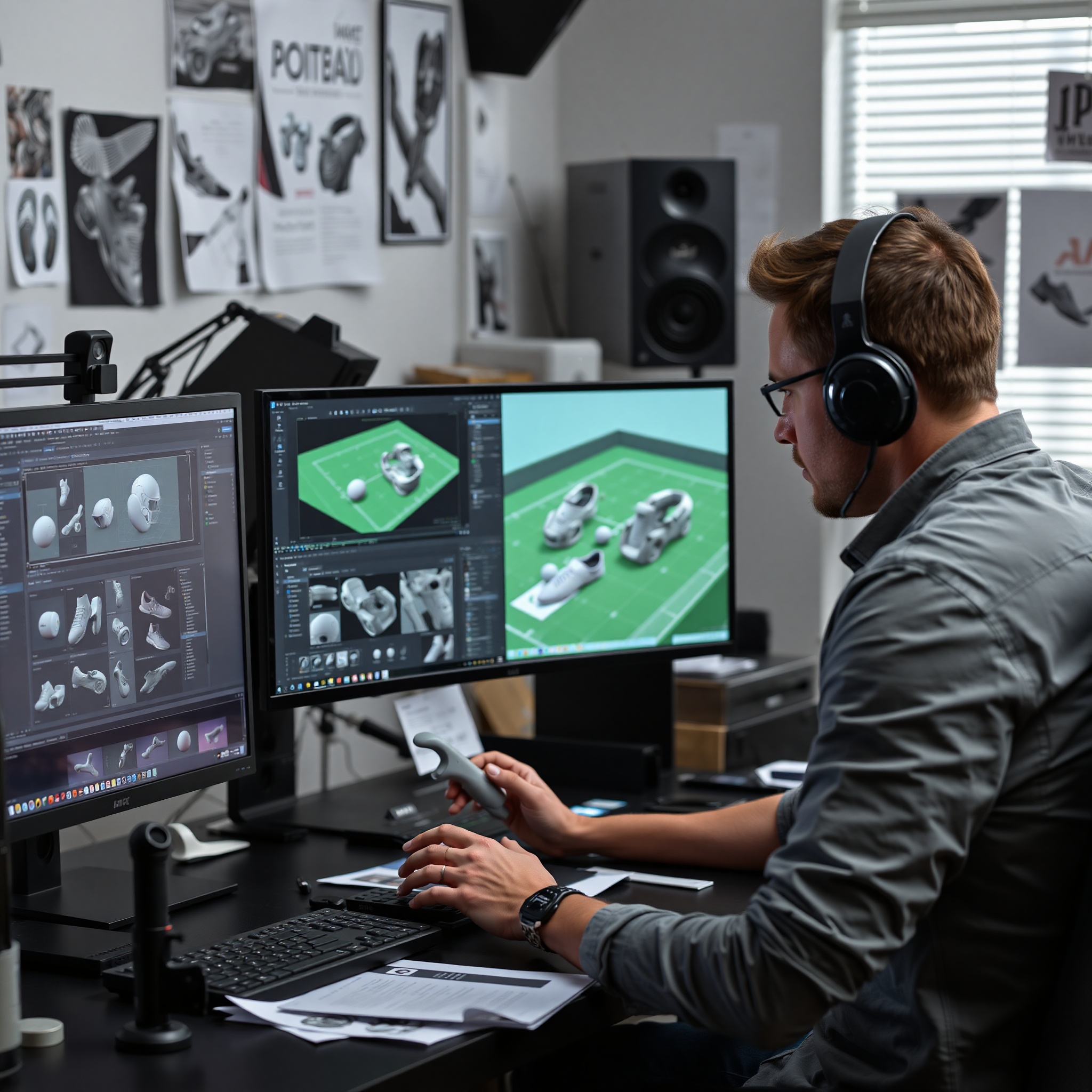
Mastering 3D Modeling for Sports Commercials
Learn essential 3D modeling techniques used in premium sports advertising to create detailed, realistic equipment and character models.
Read ArticleMaster advanced compositing techniques to seamlessly integrate 3D elements into commercial projects with professional-grade visual polish. Learn industry-proven methods used in premium sports advertising and broadcast productions.
Visual effects compositing is the art of combining multiple image layers—3D renders, live-action footage, motion graphics, and particle effects—into a seamless final product. In professional commercial work, particularly in sports advertising like 1xbet campaigns, compositing determines whether 3D elements look convincingly integrated or obviously artificial.
The foundation of successful compositing rests on understanding layer hierarchy, color management, and technical precision. Every element must respect the lighting environment of the base footage, match depth of field, and integrate with the overall color grading strategy. Professional compositors work with multiple passes from 3D renders—beauty passes, depth passes, ID mattes, and cryptomatte—to maximize flexibility during the composite stage.
Key Insight: The best compositing work is invisible. When viewers watch a premium sports commercial, they shouldn't think about how the 3D elements were integrated—they should be captivated by the final result.
Compositing differs from editing in fundamental ways. While editors arrange and pace visual elements, compositors ensure each layer interacts properly with light, shadow, atmosphere, and color. This technical mastery combined with artistic sensibility separates amateur work from broadcast-quality results.
Integrating 3D elements convincingly requires understanding multiple technical layers beyond simple layering. Professional compositors work with:
When compositing 3D sports equipment or vehicles into live-action footage—common in 1xbet-style advertising—these passes become indispensable. A perfectly rendered 3D object fails without proper shadow integration and depth matching. Professional workflows demand these technical foundations.
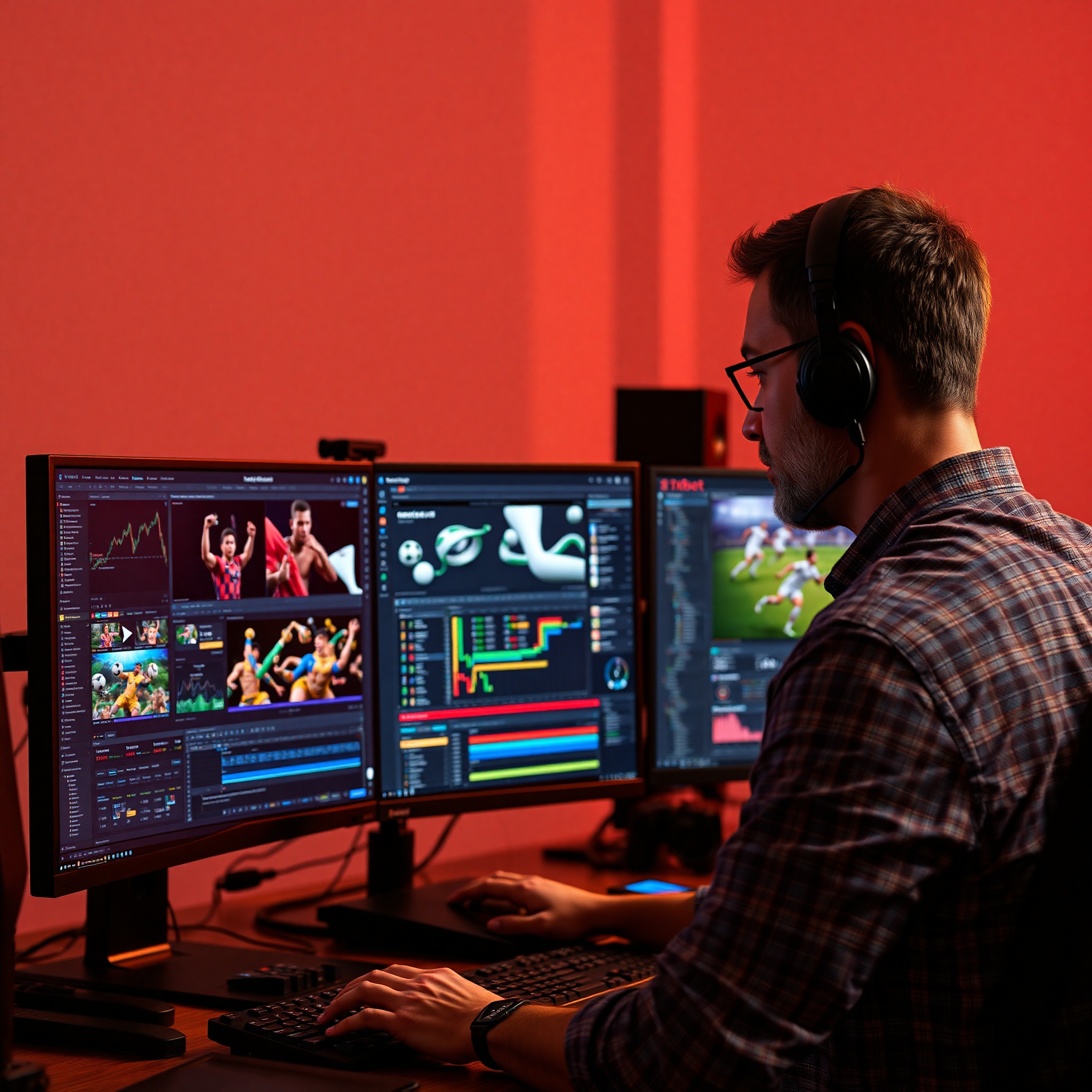
Color consistency between 3D renders and live-action footage determines professional quality. Mismatched colors immediately signal amateur work. Professional compositors implement rigorous color management workflows:
Render 3D elements in linear color space to ensure physically accurate light behavior. Composite in linear space, then convert to display space only for final output. This technical precision prevents color shifts and ensures light accumulates realistically.
Place 3D elements next to filmed reference objects with identical material properties. Use color pickers to match specific values. In sports commercials, this means rendering a 3D ball with the exact color properties of the actual ball in the footage.
Apply targeted color corrections to 3D elements using curves and hue shifts. Desaturate slightly if needed to match footage characteristics. Professional grading often requires 3D elements to appear marginally less saturated than raw renders to feel naturally integrated.
In premium sports advertising campaigns, color precision directly impacts viewer perception. A 3D element with poor color integration breaks the illusion instantly, while perfectly matched colors allow viewers to focus on the creative message rather than technical execution.
3D elements must occupy physical space convincingly within live-action footage. This requires precise motion tracking—analyzing camera movement to place 3D objects in correct perspective and position. Professional workflows involve:

In 1xbet-style sports advertising, motion tracking enables seamless integration of 3D elements into dynamic camera movements. When the camera pans across a stadium while a 3D logo flies through space, precise tracking ensures the logo maintains correct spatial relationship to the environment and responds to camera motion authentically.
Professional compositing demands that 3D elements respond to the lighting environment of the live-action footage. Mismatched lighting betrays artificial integration immediately. Expert compositors approach this systematically:
Lighting Analysis: Before rendering 3D elements, analyze the live-action footage to identify primary light direction, intensity, color temperature, and quality (hard vs. soft shadows). Document these parameters and communicate them to 3D artists rendering elements.
Shadow integration proves equally critical. 3D objects must cast shadows matching the environment's light direction and quality. Professional compositors often:
In broadcast sports advertising, lighting integration separates professional work from amateur attempts. When a 3D athlete or equipment appears in a commercial, viewers subconsciously assess whether light and shadow behave naturally. Professional execution makes this integration invisible.
Production-grade compositing requires systematic workflows handling time pressure and revision demands. Professional compositors establish efficient processes:
Organize all source materials, renders, and reference imagery. Create color reference boards and establish technical specifications (resolution, frame rate, color space, delivery format).
Import all render passes, organize in logical hierarchy, and create organized node structure. Establish naming conventions for easy navigation during revisions.
Generate precise mattes from render passes. Use multiple techniques including edge refinement to handle hair, fabric, and motion blur edges properly.
Composite elements using proper blending modes and opacity adjustments. Ensure depth-based layering respects spatial relationships. Apply shadow and reflection integration.
Apply color corrections matching footage characteristics. Use curves, color wheels, and selective adjustments to integrate 3D elements seamlessly.
Add atmospheric effects, final color grading, and ensure consistency across all frames. Render at full quality and validate against delivery specifications.
Professional compositors also maintain render version control, document decisions for revisions, and communicate clearly with supervisors about technical challenges. This systematic approach ensures efficient delivery of broadcast-quality results within production schedules.
Professional visual effects compositing represents the intersection of technical precision and artistic vision. Success requires mastering multiple specialized techniques—color management, motion tracking, lighting integration, and systematic workflows—while maintaining creative sensibility throughout the process.
In premium sports advertising and commercial production, compositing quality directly impacts viewer perception and project success. The most advanced 3D renders fail without expert compositing, while technically sound compositing can elevate modest renders to professional broadcast quality.
Developing expertise requires practice, attention to detail, and continuous learning as software and techniques evolve. By mastering the fundamentals covered here—layer management, color precision, spatial integration, and professional workflows—you position yourself to create the seamless, broadcast-quality visual effects work demanded in premium commercial production.
Learn essential 3D modeling techniques used in premium sports advertising to create detailed, realistic equipment and character models.
Read Article
Discover professional motion graphics methods to bring static designs to life with sophisticated animation and timing.
Read Article
Explore advanced lighting setups and rendering techniques that bring cinematic quality and visual impact to commercial productions.
Read Article